
Arlen Motz

Agribussiness Leadership

Agribusiness Leadership provides the necessary tools to unveil the fundamental principles of

Empowered Leaders that Trust themselves and the relationships they lead and leaders who are curious to discover who they are and who they lead.

Getting Started

Courses

Agribusiness Mentorship

Join Or 6 Lesson Course On Agribussiness Leadership

Explore

About Agribusiness

Learn about Arlen Motz Mission to Change The Culture In Agriculture

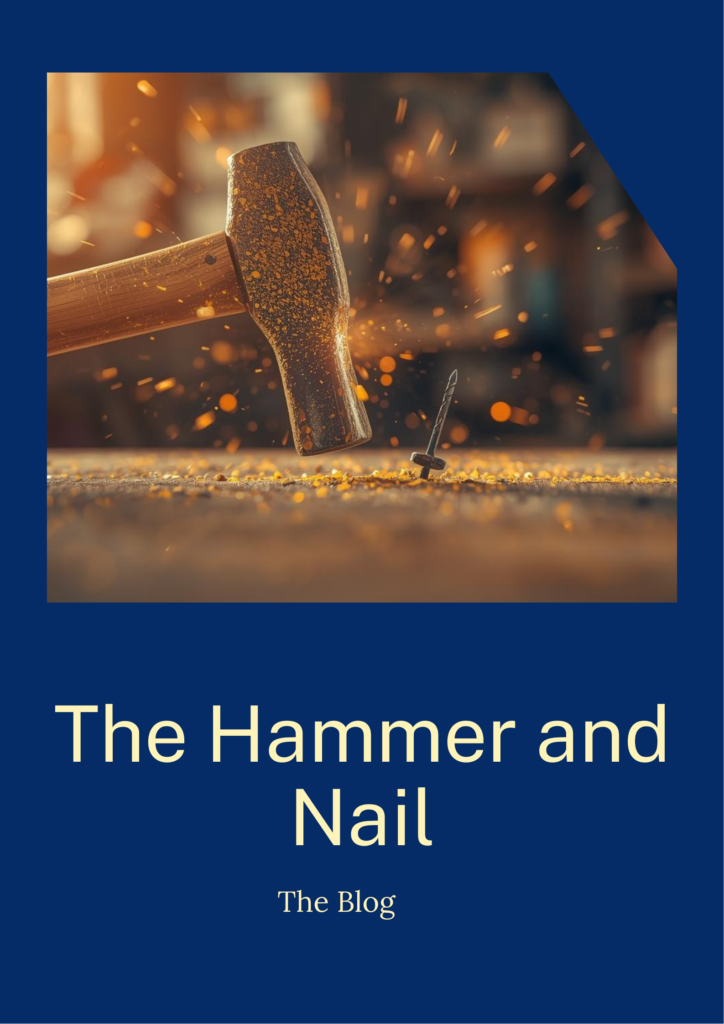
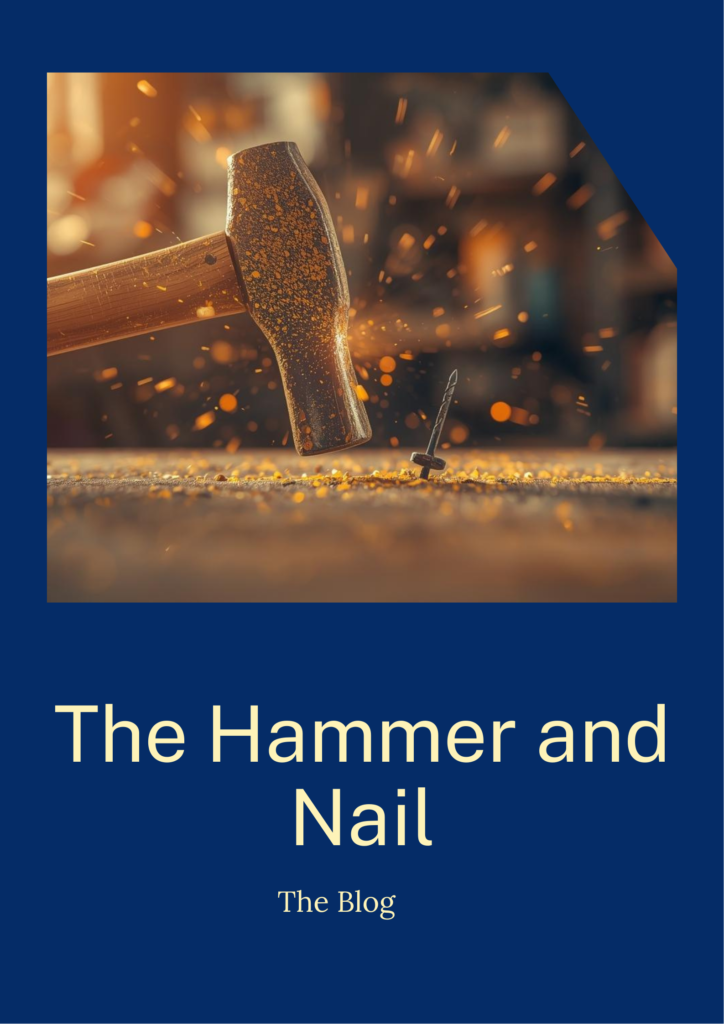
Your Hammer and the Nail

When a hammer hits a nail it drives the nail into the wood and that is progress. The impact or force of the hammer is what creates the action. Now if there is too much force or a force from the wrong angle the nail kinks over. The action and force of the hammer is best placed in the hands of a master carpenter. As a leader what drives your impact? Is your impact too forceful? Is your impact not forceful enough?

What Your Team Perceives (Whether You Say It or Not)

Teams don’t read your plan first. They read you.

  1. PurposeWhy this matters.
    When your purpose is clear and steady, people know what to prioritize. You can state the point in one sentence; you tie tasks to outcomes; you stop work that doesn’t serve the mission.
  2. IntentionalityHow you choose to act.
    Intentionality is attention with a backbone. It shows up as prepared conversations, defined decisions, and time spent where it counts.
    Signals they notice: shorter, better meetings; decisions documented; boundaries on last‑minute requests.
  3. TrustWhat people believe will happen if they tell the truth or make a mistake.
    Trust grows when your reactions match your values, especially under pressure.
    You ask before you assume; you own your part; you follow through when it costs you convenience.

When Purpose, Intentionality, and Trust move together, your presence tells the team:. That perception is your leadership credit score.


The Missing Piece: The Walk‑Away

You have heard me talk about the walk away before. This is where it matters.

Walk‑Away is the practiced ability to step back from a triggered moment before it drives the outcome. It isn’t quitting. It’s choosing to pause, reset, and re‑enter with purpose.

Walk‑Away preserves trust (you regulate, not react), strengthens intentionality (you choose timing and structure), and re‑anchors purpose (you return to the real objective).


The Emotions That Keep a Situation “In Check”

Most blowups aren’t about content. They’re about unmanaged emotion—fear, pride, and urgency—locking a situation in place. Here’s how each one shows up and how Walk‑Away unlocks it:

  1. Fear (of looking incompetent, losing control, missing the target)
    How it locks the room: people hide risk and stop telling the truth.
    Leader move: name the risk and reset the stakes. Walk‑Away Script: “I’m noticing we’re hedging. I’d rather face reality than be surprised later. Let’s pause and each list the top two risks before we continue.”
  2. Pride (attachment to being right or being the hero)
    How it locks the room: debates get positional; listening drops.
    Leader move: detach from the outcome; tie back to purpose. Walk‑Away Script: “I’m attached to my view. I’m stepping back to check it against the purpose. We’ll reconvene with two options that serve the goal, not my preference.”
  3. Urgency (the adrenaline of now)
    How it locks the room: shortcuts, poor decisions, rework later.
    Leader move: slow the decision to speed the result. Walk‑Away Script: “Rushing here increases risk. We’ll take 20 minutes to clarify the decision criteria and then decide.”

Walk‑Away is the release valve. It creates enough space for better thinking without shaming anyone in the process.


The Hammer and nail in real time:

A prospective client wanted to work with me, but he needed to ease his mind first. He asked a fast string of questions with a confident, prideful edge that set the tone. I could feel myself starting to match it. I stopped. I stepped out of the moment, counted to ten, and said, “Those are great questions. Let’s take them one at a time.”

In that pause, I reset my state. He did too—his shoulders dropped, his voice settled, and the conversation moved from defense to problem‑solving. We ended up having a clear, productive discussion.

What those ten seconds did:

  • Purpose: I returned to the real objective—help him make a good decision, not win the exchange.
  • Intentionality: I set the pace and structure—one question at a time.
  • Trust: My tone signaled it was safe to ask hard questions without a fight.

That ten‑second count was a micro Walk‑Away. I didn’t leave the room—I left the emotional grip of the moment and re‑entered with clarity. Without it, my reaction would have amplified his, and we would have both lost.


Two Brief Scenarios

1) Missed Deadline
You feel anger rising. Instead of confronting in the hallway, you Walk‑Away for fifteen minutes. You return with Purpose and Intentionality: “Our purpose is on‑time delivery. I want to understand what failed in our system and what we’ll change by Friday. Start with facts.” Trust increases because you chose clarity over blame.

2) Tense Client Call
The client escalates. You sense the team brace. You name it: “Emotions are high. I want a good decision, not a fast one. Let’s pause for ten minutes and regroup with one option and its tradeoffs.” Your team learns that composure is part of the job.


Practice This Week

  1. Pre‑commit a Walk‑Away line you’ll use when heat rises. Write it on your notes.
  2. Open meetings with Purpose + Agreements (one sentence each).
  3. Use a 2‑minute reset before hard conversations: breathe, name your fear/pride/urgency, choose your first sentence.
  4. Close with Trust: confirm owners and deadlines in writing within an hour.

Lead Where It Matters

Your team’s perception isn’t formed by your best days. It’s formed by your state on the hard days. Build Your Factor—purpose, intentionality, trust—and protect it with a practiced Walk‑Away. That’s how you stop leading by fear and control and start building clarity, trust, and sustainable influence.

If this resonates: Book a 30‑minute consult at arlenmotz.com to apply P.A.C.E. and Walk‑Away with your team.


Resources”

7 Habits of Highly Effective People – Steven R Covey

The Big Leap – Gay Hendricks

When Waffles meet Spegetti – Arlen Motz Leadership Blogs

Related Articles